“Worship the Lord in the beauty of Holiness”
Psalm 96:9
What is the Anglican Church?
The Anglican Church finds its roots in the Church of England, which was established in 597 AD by Archbishop of Canterbury Augustine (not of Hippo).
Anglicanism is best described as a “Reformed Catholic” tradition. By Reformed we don’t mean Calvinist and by Catholic we don’t mean Roman.
By “Reformed” we simply mean a greater focus on the message of the Gospel and a greater authority given to the Scriptures. Catholic means “according to the whole”, and refers to keeping the whole faith at all times in all places.
What we believe
1. We confess the canonical books of the Old and New Testaments to be the inspired Word of God, containing all things necessary for salvation, and to be the final authority and unchangeable standard for Christian faith and life.
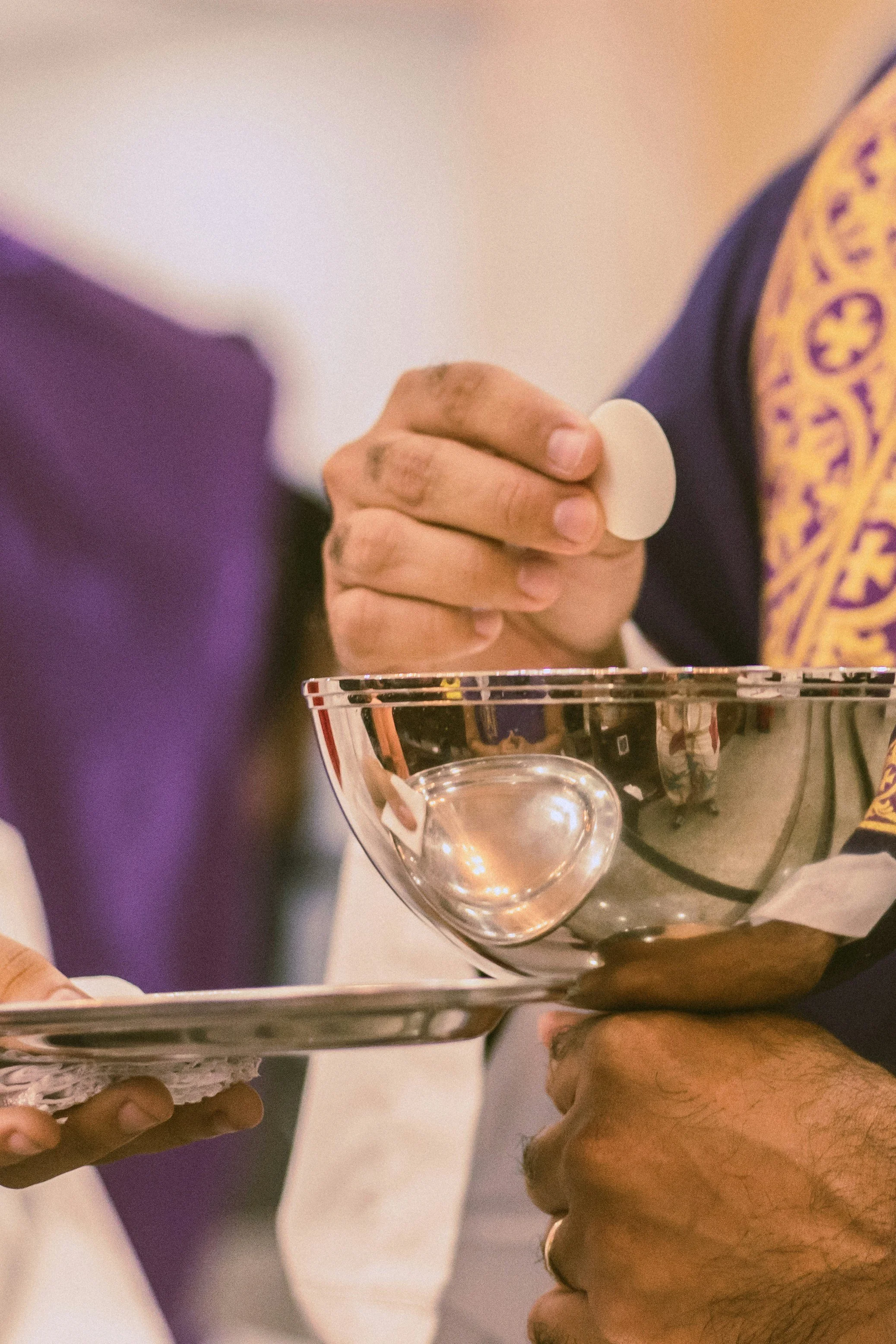
2. We confess Baptism and the Supper of the Lord to be Sacraments ordained by Christ Himself in the Gospel, and thus to be ministered with unfailing use of His words of institution and of the elements ordained by Him.
3. We confess the godly historic Episcopate as an inherent part of the apostolic faith and practice, and therefore as integral to the fullness and unity of the Body of Christ.
4. We confess as proved by most certain warrants of Holy Scripture the historic faith of the undivided church as declared in the three Catholic Creeds: the Apostles’, the Nicene, and the Athanasian.
5. Concerning the seven Councils of the undivided Church, we affirm the teaching of the first four Councils and the Christo-logical clarifications of the fifth, sixth and seventh Councils, in so far as they are agreeable to the Holy Scriptures.
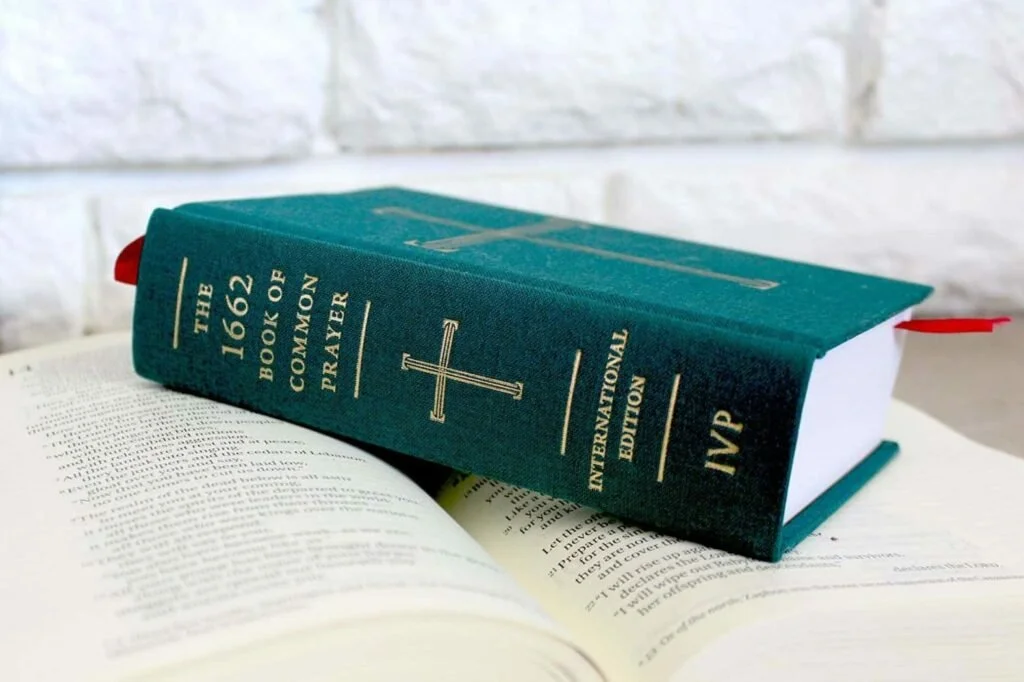
6. We receive The Book of Common Prayer as set forth by the Church of England in 1662, together with the Ordinal attached to the same, as a standard for Anglican doctrine and discipline, and, with the Books which preceded it, as the standard for the Anglican tradition of worship.
7. We receive the Thirty-Nine Articles of Religion of 1571, taken in their literal and grammatical sense, as expressing the Anglican response to certain doctrinal issues controverted at that time, and as expressing fundamental principles of authentic Anglican belief.